
BurningbridesCall (951) 305-2581

Popcorn Ceilings, Riverside

Test the Ceiling Before Anyone Scrapes It

Sprayed acoustic texture in a house finished before the early eighties can contain asbestos. A lab sample costs about what a tank of fuel costs, and the result decides everything that happens after it.

  • Sampling before scraping
  • Texture matched to the rest of the house
  • Licensed and insured
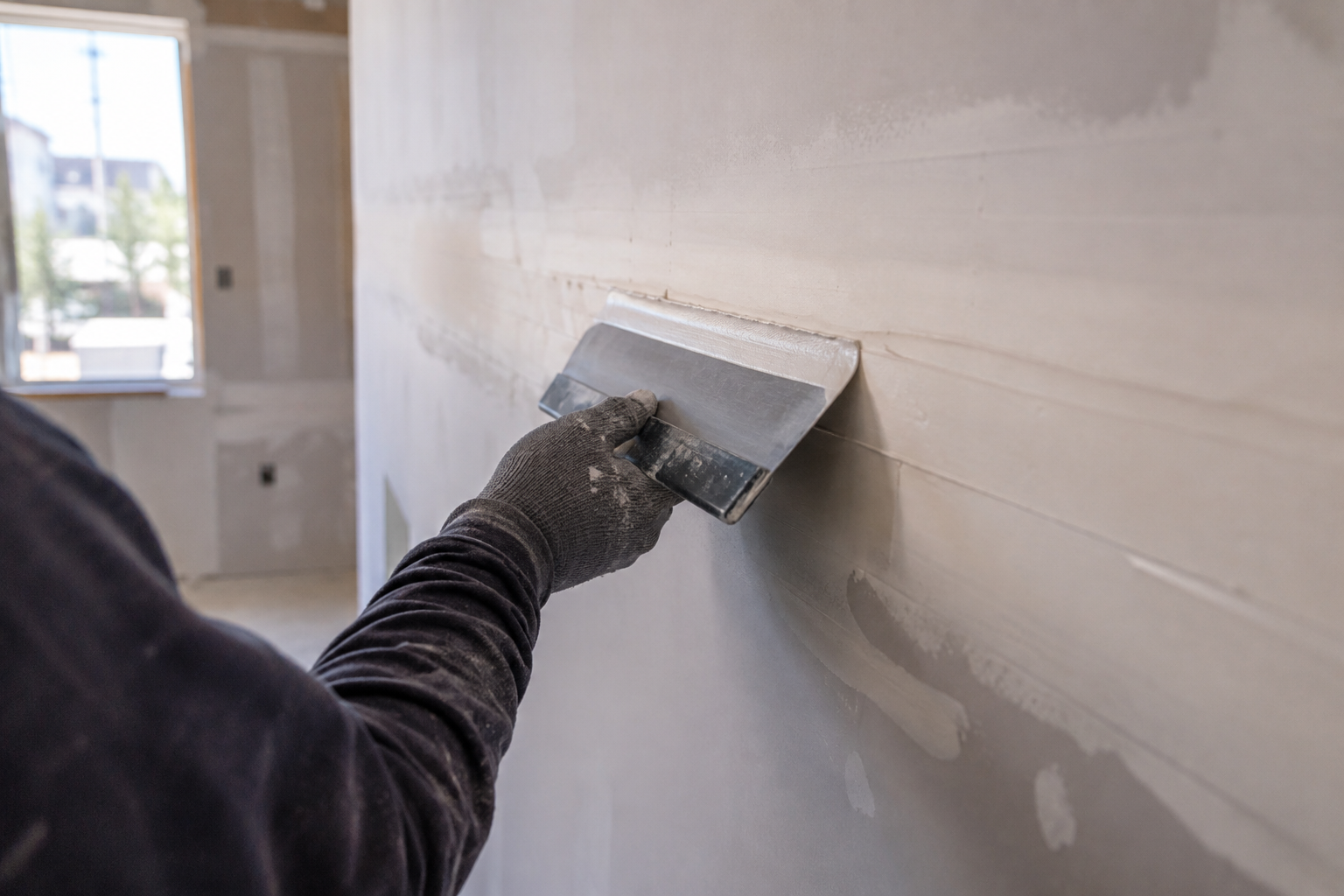
Sprayed acoustic ceiling texture being scraped back to bare drywall in a Riverside, CA home

Ceiling Notes

What we have learned taking old texture off Riverside ceilings.

Before You Scrape a Popcorn Ceiling in Riverside, Find Out What Year It Was Sprayed

August 27, 2026

Before You Scrape a Popcorn Ceiling in Riverside, Find Out What Year It Was Sprayed

Almost every call we get about popcorn ceilings opens the same way. Somebody has decided the ceilings are dating the house, they want a price, and they want to know how quickly it can be done. Fair enough on all three counts.

The question we ask back is what year the house was finished. Not built, finished, because in older neighborhoods those can be years apart and the ceiling texture went on at the end. If the answer is anywhere in or before the early eighties, the conversation changes shape entirely.

The Cutoff Year Is Softer Than People Expect

The commonly cited date is 1978. That is the year manufacture of asbestos containing spray applied surfacing material stopped in the United States. It is a real date and it is genuinely useful.

What it does not do is draw a clean line through the housing stock, because nothing required anyone to throw away the bags already sitting in the warehouse or on the truck. Existing stock was legal to install, and it got installed. Material sprayed in 1979 and 1980 comes back positive often enough that we treat those years as fully uncertain, and a small number of later installs do too, in houses finished by outfits working through old inventory.

So the practical rule we work to is this. A ceiling sprayed in the sixties or early seventies has a meaningful chance of containing asbestos. A ceiling from 1978 to about 1982 is a genuine unknown. A ceiling from the late eighties onward is very unlikely to contain it, and by the nineties the question is effectively closed.

That is odds, not an answer. The only thing that produces an answer is a sample.

Riverside Makes This Harder Than a Newer City Would

Some cities are easy to reason about because everything went up in one decade. This one is not.

Drive the Wood Streets and you are looking at bungalows from the twenties and thirties. Victoria Avenue and the older parts of Hawarden Hills give you a long spread of periods. The postwar tracts filled in through the fifties and sixties, the corridors along the 91 and the 60 kept building through the seventies and eighties, and Orangecrest, Mission Grove and the newer edges of Canyon Crest are largely nineties and later.

The result is that a single street can hold a house where the question is settled and a house where it is wide open. It also means the houses being renovated right now, the ones people buy specifically because they are dated and priced accordingly, skew heavily toward the uncertain window. That is not a coincidence. Those houses are dated because nobody has touched the ceilings.

What a Bulk Sample Actually Is

People imagine something more dramatic than it is.

We wet a small patch of the ceiling with a hand sprayer first, so that cutting into it does not put anything into the air. Then a small piece is cut out, right through the texture and into the substrate, and dropped into a sealed bag. We take a second one from a different area of the ceiling, and on larger or multi room jobs a third, because texture was mixed in batches and one room is not automatically representative of the next.

The bags go to an accredited testing laboratory. The standard analysis is polarized light microscopy, which identifies the mineral fibers present and reports them as a percentage. Turnaround is usually a few working days, faster if you pay for a rush.

You receive the actual report. Not a phone call summarizing it, not our word for it. It is your document, it belongs in the file with the house, and a future buyer or their inspector will be glad it exists.

The cost of all this is small relative to the job it governs. It is the cheapest step in the entire project and the only one that produces a fact rather than an opinion.

Why You Cannot Skip It by Looking

There is no visual difference between texture that contains asbestos and texture that does not. None. Not in the color, not in the coarseness of the aggregate, not in how it has aged or yellowed.

Anyone in this trade who tells you they can tell by looking is guessing, and they are guessing with something that will not show up for thirty years if they are wrong. We have opened ceilings that everybody involved expected to be clean and were not, and the reverse.

And Why You Should Not Take Just One Sample

A single sample from one corner of one room tells you about that corner. Texture was mixed on site in batches, sprayed room by room, sometimes over several days and occasionally by different crews. Additions and later remodels are worse again, because a room added in the seventies onto a house from the fifties can carry entirely different material from the original.

Two samples minimum, from separated areas, and more if the house has obviously been extended.

If It Comes Back Negative

Then it is an ordinary drywall job and the whole thing gets simpler.

The room is emptied or sheeted, floors covered and taped down, fixtures dropped and bagged, ceiling fans removed, the doorway sealed with plastic. Then the ceiling is misted and left to soak, and scraped wet with a wide blade so the texture comes off in soft sheets onto the floor rather than drifting through the house as dust.

Wet scraping takes longer than dry scraping. It is also the difference between one messy room and a month of finding grit on every surface you own, so it is not negotiable for us.

Here is the part worth saying plainly, because it costs us work. Scraping a tested clean ceiling is unskilled labor. It is horrible, it is overhead, your shoulders will hate you, but there is nothing technical about it and a determined homeowner can absolutely do it themselves over a weekend.

What comes after is the trade skill, and it is where most of our calls actually originate: somebody scraped it, looked up at what was revealed, and stopped.

What the Texture Was Hiding

Sprayed texture was popular in the first place because it was fast, it deadened sound a little, and it hid everything. Forty years later, taking it off exposes all of it in one afternoon.

Nail pops along the joists, because slab-on-grade houses move seasonally and out here the swing between a long dry summer and a brief wet season is severe. Butt joints that were taped but never floated, because nobody was ever going to see them. Fastener lines set with the gun too hot, breaking the paper face. Old water staining from a roof leak repaired decades ago. Occasionally a run of board sagging between joists because it was hung with half the fasteners it needed.

Every one of those has to be corrected before any finish coat goes on. Fasteners get backed out and replaced with screws seated to dimple the paper without tearing it. Failed tape gets cut out and replaced. Low areas get built up over several thin coats, never one heavy one.

Then there is the finish level decision. A level 4 finish, which is the normal residential standard, is right for most rooms. A level 5 finish adds a thin skim across the whole ceiling so that taped areas and open board take paint identically.

The thing that decides between them is light. Riverside gets hard low sun from the west for a long stretch of the year, and a room with a west facing window, or a run of recessed cans washing the ceiling, will show a level 4 ceiling for exactly what it is by four in the afternoon. In a north facing bedroom it will never matter. Spend the money where the light is going to interrogate the work, and do not spend it where it will not.

One local detail worth knowing: mud dries fast in this air. That sounds purely like an advantage and it is not. A coat that has skinned over on top is not cured underneath, and feathering a new coat into half dry mud leaves a ridge that will be visible under paint forever. The schedule has to allow for real drying, not surface drying.

If It Comes Back Positive

First, do not panic, and specifically do not start pulling things off the ceiling to see how bad it is. An intact, undisturbed acoustic ceiling is not releasing fibers into your house. The hazard in this material is created by scraping it, sanding it, drilling into it and breaking it up. Left alone above a coat of paint, it sits there.

Second, the job stops being ours. Removal of asbestos containing material past a modest area threshold is regulated work that requires a contractor registered specifically for that scope, working under a defined containment, disposal and clearance procedure. We are a drywall outfit. We will tell you that directly, and anybody who offers to scrape a ceiling they know has tested positive is telling you something important about how they work.

Third, you have real options and abatement is only one of them. Encapsulation seals the existing texture and covers it rather than disturbing it, leaving the material bonded in place under a new surface. For an intact ceiling in a house you intend to keep, that is frequently the better use of the money, and it is a recognized approach rather than a way of dodging the problem.

What you should not do is have it removed by whoever quotes lowest and does not mention the test. That is the outcome the whole exercise exists to avoid.

The Short Version

Find out roughly when the ceiling was sprayed. If that year is before about 1982, pay for a sample before you pay for anything else. Get the written report and keep it. Then make a decision with a fact in front of you.

If your house is newer than the question, we will tell you so on the phone and you can get on with booking the work.

Call (951) 305-2581.

Read the full article

What a Ceiling Job Involves

The sequence we follow, in the order it actually happens.

  • Bulk Sampling and Lab Analysis

    Two samples cut from separate areas of the ceiling, wetted first, bagged and sent to an accredited lab. You get the written report. If it comes back negative we book the scrape. If it comes back positive we tell you plainly what your options are and which of them we can legally perform.

  • Popcorn Removal, Wet Method

    Rooms masked floor to wall, fixtures dropped, ceiling misted and left to soak, then scraped with a wide blade so the texture comes off in sheets rather than dust. Dry scraping is faster and makes an unholy mess of the whole house. We do not do it.

  • Skim, Tape and Level 5 Finish

    What is underneath is rarely flat. Old tape lines, nail pops from slab settling and a butt joint that was never floated all show up the moment the texture is gone. We re-tape what needs it, then skim the whole ceiling so it reads flat under raking light.

  • Texture Matching for the Rest of the House

    If only one room comes off, the new ceiling has to match the orange peel or knockdown on the ones next to it. That is a spray gun, a tip size and a knockdown timing set on a test board against your existing wall, not a guess made on the ceiling itself.

  • Encapsulation Over a Positive Ceiling

    When the lab comes back positive and full abatement is not where you want to spend the money, the texture can be sealed and covered rather than disturbed. Done correctly this is a recognized, legitimate approach and it leaves the material bonded and undisturbed above a new surface.

  • Nail Pops, Cracks and Ceiling Repair

    Slab-on-grade houses move, and the ceilings show it first at the fastener heads and along the joints. Screwed off properly, filled, feathered and retextured, rather than a dab of mud over a nail that will lift again next summer.

What Removal Costs to Do Properly

Priced by ceiling area and by how much repair is hiding under the texture. The sampling comes first and is separate, because until it is back there is no job to price.

Sampling and Report$120 to $220Removal and Level 4 Finish$2.50 to $4.00 per sq ftLevel 5 or Texture Match$4.00 to $6.50 per sq ft
  • Two samples, accredited lab
  • Written result you keep
Book the test
  • Wet scrape, masked and contained
  • Taped, floated, ready for paint
Get a figure
  • Full skim coat, or matched texture
  • For raking light and dark paint
Call now

Burningbrides takes down popcorn ceilings in Riverside and puts a proper drywall finish back in their place. It is most of what we do, and the first thing we do on any house built before 1980 is send a piece of the ceiling to a lab.

Sprayed acoustic texture was ordinary ceiling finish for about thirty years. The EPA stopped its manufacture with asbestos in 1978, but installers were allowed to use up what was already on the shelf, so material sprayed in 1979, 1980 and occasionally later still turns up positive. The year a house was permitted narrows the odds. It does not settle the question, and nobody can settle it by looking.

That matters here more than it does in a lot of places, because Riverside has a wide spread of housing stock. A bungalow in the Wood Streets, a ranch off Victoria Avenue and a tract house near the 91 were finished decades apart, and the ones in the middle of that range are exactly the ones worth testing. A tract built in the nineties or later has no realistic asbestos risk and we will tell you so rather than sell you a test.

  • A sample settles it, a guess does notTwo small pieces cut from separate areas, bagged and sent to an accredited lab. Polarized light microscopy, a few days, a written result you keep. There is no visual tell and no experienced eye that can substitute for it.
  • Positive does not mean panicIt means the work changes hands. Removal is regulated, and past a modest area threshold it belongs to a registered abatement contractor, not to us. An intact ceiling that is left alone is not releasing anything. Encapsulation is often the sane answer.
  • The finish is the actual jobScraping is one messy day. Getting a bare, thirty year old ceiling flat enough to take a light coat, taped, floated and finished so it does not telegraph every seam under the west sun, is the part that takes skill.
  • Neighborhoods We Scrape and Refinish

    Ceiling work across Riverside, weighted toward the older stock where the testing question actually arises.

    Call (951) 305-2581. If you already have a lab report, have it to hand when you ring and the conversation gets much shorter.

    • Riverside, CA (92501, 92504, 92506, 92507)
    • Wood Streets and Victoria Avenue
    • Magnolia Center and Hawarden Hills
    • Arlington and La Sierra
    • Canyon Crest and Mission Grove
    • Casa Blanca and Eastside

    Questions About Popcorn Ceilings

    My house was built in 1979. Do I really need to test?
    Yes, and that year is the reason. Manufacture of asbestos containing acoustic texture stopped in 1978, but existing stock was legal to install until it ran out, so ceilings sprayed in 1979 and 1980 sit right in the uncertain window. Anything finished from the mid eighties onward is very unlikely to be positive, and anything from the sixties or early seventies is quite likely to be. A sample costs little and removes the argument.
    What does a test actually involve?
    We wet a small area so nothing goes airborne, cut two pieces from separate parts of the ceiling, bag and label them, and send them to an accredited lab for analysis under polarized light. Results usually come back within a few working days. You get the report, not a verbal summary, because it is your document and you will want it when you sell.
    It came back positive. What happens now?
    First, nothing urgent. An intact ceiling that is not being disturbed is not putting fibers in your air. Second, the work stops being general contracting and becomes regulated abatement, which past a modest area threshold requires a contractor registered specifically for it. We are not that contractor and we will say so. Your realistic choices are proper abatement followed by a new finish, or encapsulation, which seals and covers the texture rather than disturbing it.
    Can I just scrape it myself over a weekend?
    If the ceiling has tested negative, yes, honestly. It is unskilled, filthy work and there is no reason a homeowner cannot do it. What people underestimate is the day after. A bare ceiling from that era is never flat, and taping and skimming an overhead surface so it does not show every joint under afternoon light is a genuine trade skill. Most of the calls we get are from people who did the scraping and stopped there. If it has not been tested, do not touch it.

    Test First, Then Decide

    If you are thinking about the ceilings and the house is old enough to raise the question, start with a sample rather than a quote. It is the cheapest step, it is the only one that produces a fact, and every decision after it depends on the answer. If the house is newer than the question, we will tell you that on the phone and save you the money.

    Call (951) 305-2581